


The End of Gurus and the Rise of the "Craft" in Online Marketing
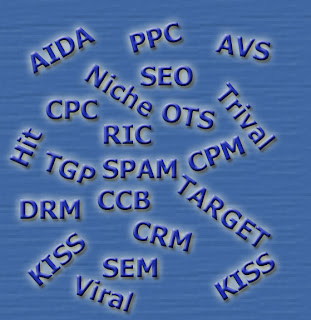
Beware of gurus who made websites yesterday and today sell you magic formulas with acronyms they just learned.
It is said that the digital sector is immune to the crisis. My conclusion is different: Internet grows because it is the emergency refuge for those who see their sales falling.
Beware of "Dictionary Gurus"
We are seeing a curious metamorphosis: people who designed websites yesterday, today present themselves as marketing oracles using complex acronyms (SEO, SEM, ROI, CPA...). But online marketing is something much deeper.
🛠️ A Craft: Creative, Scientific, and Human
I have been in this for years and my vision is clear. This discipline requires:
- Scientific Rigor: To read data and interpret what is really happening.
- Strategic Creativity: To not copy what the neighbor does.
- Own Judgment: To understand that a book, as soon as it is published, already begins to be obsolete.
My Advice for Navigators
- To professionals: Be scientific and creative. Don't sell smoke; your work directly impacts the client's money and time.
- To those hiring: Don't look for someone who has read the manual. Look for someone who has the craft of understanding your business.
In the end, the one who dares to innovate and go off script is the one ahead.
Be good... but a little bit mischievous.
Professionalization, Ethics, and "Craft" in Online Marketing
- What defines the concept of "craft" in online marketing versus the empty promises of gurus?
- The craft is defined by a balanced combination of scientific rigor (analysis of real data) and strategic creativity. Unlike the guru who sells universal magic formulas, the professional with craft understands that each business is unique and applies an artisanal methodology based on experience and continuous adaptation to the market, not on prefabricated recipes.
- Why should companies distrust the excessive use of technical acronyms (SEO, SEM, ROI) without context?
- Because they are often used as a smoke screen to impress or confuse the client and hide a lack of strategic depth. A good professional does not hide behind terminology; they translate those technical metrics into real business language, clearly explaining how they impact the bottom line, time, or company efficiency.
- What professional profile should a company look for to lead its digital strategy?
- The ideal profile is someone with their own judgment, radical honesty about expected results, and great adaptability. You shouldn't look for someone who has memorized the Google manual (which changes every month), but someone who has trained intuition and analytical capacity to understand the company's unique situation and propose tailored solutions.
- Why does the digital sector paradoxically tend to grow in times of economic crisis?
- Because the Internet acts as a refuge of efficiency. When traditional sales fall, companies are forced to optimize their resources and seek more measurable and direct channels. Online marketing allows for investment return traceability that traditional media do not offer, becoming the logical choice for companies needing to maximize every euro invested.
- What is the danger of applying standardized "success formulas" in digital marketing?
- The danger is irrelevance and lack of differentiation. What worked for one company in a specific context rarely works the same for another. Applying standardized formulas ignores the unique variables of each business (audience, product, timing). True marketing requires innovation and daring to "go off script" to stand out in a saturated market.
Comentarios